[For English, see below]
Resulta difícil considerar un avance social una ley que facilita poner fin a la propia vida cuando los poderes públicos no están dispuestos a invertir lo necesario para ofrecer acompañamiento, atención psicológica o cuidados paliativos. La libertad no puede reducirse a elegir la muerte cuando faltan las condiciones para desear vivir. Una sociedad verdaderamente humana debería esforzarse primero en garantizar el cuidado y el acompañamiento
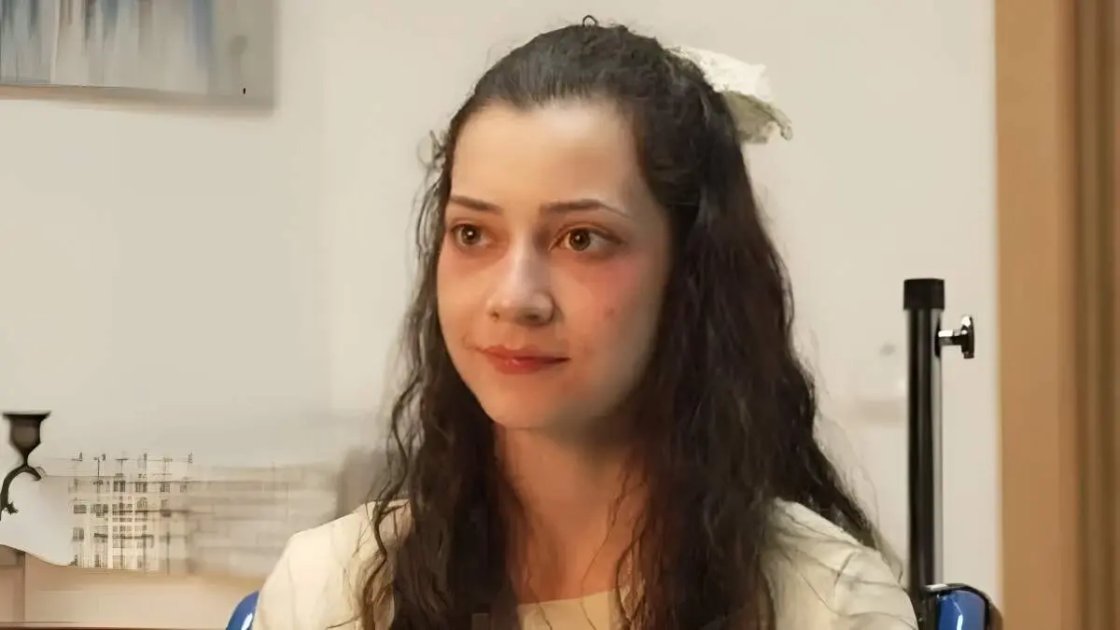
Confieso que la muerte de Noelia Castillo me ha estremecido. No sólo por la crudeza del desenlace, sino por la historia que la precede. Hay vidas que parecen atravesadas por el infortunio, el descuido, la falta de afecto, la violencia y la soledad. La suya fue una de ellas. Ante una historia así, lo primero que uno siente no es juzgar, sino guardar silencio y preguntarse con honestidad qué habría hecho en su lugar. No estoy seguro de que yo hubiera resistido mejor. Es más, sospecho que, de haber atravesado una vida marcada por experiencias semejantes, quizá habría deseado ponerle fin. La infancia de Noelia tuvo, según relatan quienes han reconstruido su vida, momentos de alegría. Pero la adolescencia abrió un camino distinto. La inestabilidad familiar, la pérdida de la patria potestad por parte de sus padres y su paso por el sistema de protección de menores marcaron el comienzo de una trayectoria frágil. Allí donde debía haber encontrado afecto y apoyo, encontró carencias. Y cuando la vulnerabilidad ya era evidente, llegaron los abusos y las agresiones sexuales, que dejaron heridas profundas.
Las heridas afectivas se transformaron con el tiempo en un problema de salud mental importante. En 2022, Noelia intentó suicidarse arrojándose desde un quinto piso. Sobrevivió, pero quedó parapléjica y con dolor físico crónico. A la fragilidad emocional se sumó entonces una limitación física severa. El dolor, sin embargo, no era sólo físico. Su sufrimiento moral parecía aún más profundo: una vida marcada por la soledad y la ausencia de un horizonte capaz de sostener la esperanza. En ese contexto, Noelia solicitó la eutanasia. Tras un largo proceso judicial y mediático, su petición fue atendida. Es difícil no sentir una profunda desazón. Por un lado, el dolor de una persona que llega a desear la muerte como salida a su sufrimiento. Por otro, la existencia de un marco legal que presenta esa decisión como signo de progreso y respeto a la libertad. Esta doble realidad explica los sentimientos encontrados. Porque una cosa es comprender el sufrimiento de quien desea morir y otra celebrar ese desenlace como un avance moral.
El argumento central suele ser la libertad. La eutanasia se presenta como expresión de la autonomía personal. Sin embargo, surge aquí la cuestión decisiva: ¿es realmente un acto de libertad desear la propia muerte? ¿O más bien la expresión de una libertad herida por el sufrimiento y la soledad? La libertad, en su sentido más profundo, tiende a la vida. No a una vida cualquiera, sino plenamente humana. Y esa plenitud depende mucho de la calidad de las relaciones humanas que permiten amar y ser amado, de unas condiciones mínimas de bienestar y, cuando éstas fallan, de la presencia de personas que acompañen incondicionalmente. No es casual que Viktor Frankl recordara la frase de Nietzsche: «Quien tiene un porqué para vivir puede soportar casi cualquier cómo». El sufrimiento humano puede vivirse de modo distinto cuando la persona halla sentido, afecto y razones para continuar. Cuando estos desaparecen, la vida puede convertirse en una carga difícilmente soportable.
Desde esta perspectiva, el caso de Noelia resulta especialmente significativo. Su deseo de morir no surge en un contexto de cuidado, sino tras años de carencias afectivas, violencia, fragilidad psicológica y dolor físico. ¿Es comprensible que una persona así llegue a desear la muerte? A mi juicio, sí. Pero precisamente por eso, resulta difícil considerar esa decisión como un acto realmente libre. Más bien parece la consecuencia de una libertad debilitada por la ausencia de condiciones que hacen posible una vida verdaderamente humana.
Celebrar como un avance social la decisión de morir de una persona que ha dejado de experimentar el cuidado y el afecto entraña cierta miopía moral. Porque la cuestión no es sólo si alguien tiene derecho a morir, sino si la sociedad y el Estado han hecho todo lo posible para que esa persona deseara vivir. En el caso de Noelia, su historia revela una sucesión de fallos familiares, sociales e institucionales. Y surge una paradoja difícil de ignorar: el mismo Estado que no supo acompañarla es el que ahora, en nombre de la libertad, facilita su muerte. No se trata de simplificar el debate. La eutanasia plantea cuestiones profundas. Pero casos como este obligan a preguntarse si la apelación a la libertad no encubre más bien una forma de resignación –o incluso rendición– colectiva.
El caso de Noelia es extremo. Su vida estuvo marcada por experiencias particularmente duras, incluida la violencia sexual. Sin embargo, otros rasgos de su trayectoria no resultan tan excepcionales. No pocos jóvenes arrastran hoy heridas afectivas, fragilidad emocional, ansiedad, soledad o pérdida del sentido de la vida. Por eso no resulta extraño que muchos hayan podido reconocerse, al menos parcialmente, en su historia. Y ahí surge una inquietud legítima: cuando una sociedad presenta como avance la posibilidad de poner fin a la propia vida en contextos de sufrimiento profundo, se abre un precedente delicado, especialmente en una generación marcada por la vulnerabilidad emocional.
Hay, además, un elemento que aumenta la desazón. Resulta difícil considerar un avance social una ley que facilita poner fin a la propia vida cuando los poderes públicos no están dispuestos a invertir lo necesario para ofrecer acompañamiento, atención psicológica o cuidados paliativos. La libertad no puede reducirse a elegir la muerte cuando faltan las condiciones para desear vivir. Una sociedad verdaderamente humana debería esforzarse primero en garantizar el cuidado y el acompañamiento. De lo contrario, el riesgo es que la libertad se convierta en expresión de un abandono silencioso.
Hay, sin embargo, algo que, dentro de esta historia, ofrece un pequeño consuelo. La figura de su padre, que, con sus limitaciones y errores –como todos–, luchó hasta el final por defender la vida de su hija. No lo hizo por imposición ideológica ni por cálculo político, sino por amor. Porque creía que su hija era digna de ser amada y que su vida tenía valor. Esa actitud, más allá de las controversias jurídicas, recuerda algo esencial: que la dignidad de una persona no depende de su salud, de su autonomía o de su sufrimiento, sino del simple hecho de existir.
Quizá, al final, esa sea la cuestión decisiva. La libertad humana sólo es madura cuando está sostenida por el cuidado, el afecto y el acompañamiento. Cuando estos faltan, la libertad puede convertirse en desesperación, y los actos nacidos de la desesperación difícilmente pueden ser expresión de una libertad auténtica. Y entonces, la sociedad y el Estado deberían preguntarse no sólo si respetan la libertad de quien desea morir, sino si han sabido ofrecer las condiciones que hacen posible desear vivir.
Aniceto Masferrer es catedrático de Historia del Derecho en la Universidad de Valencia y editor de 'La eutanasia en España'.
ENGLISH ////////////////////////////////////////////////////////////////////////////
I confess that Noelia Castillo’s death has shaken me to the core. Not only because of the harshness of the outcome, but also because of the story that led up to it. There are lives that seem to be marked by misfortune, neglect, a lack of affection, violence, and loneliness. Hers was one of them. Faced with a story like this, the first thing one feels is not to judge, but to remain silent and ask oneself honestly what one would have done in her place. I’m not sure I would have fared any better. In fact, I suspect that, had I lived a life marked by similar experiences, I might have wanted to end it. Noelia’s childhood had, according to those who have pieced together her life, moments of joy. But adolescence set her on a different path. Family instability, the loss of parental custody by her parents, and her time in the child protection system marked the beginning of a fragile journey. Where she should have found affection and support, she found deprivation. And when her vulnerability was already evident, the abuse and sexual assaults began, leaving deep wounds.It is difficult to view a law that makes it easier to end one’s own life as a social advance when public authorities are unwilling to invest what is necessary to provide support, psychological care, or palliative care. Freedom cannot be reduced to choosing death when the conditions for wanting to live are lacking. A truly humane society should first strive to guarantee care and support.
Aniceto Masferrer es catedrático de Historia del Derecho en la Universidad de Valencia y editor de 'La eutanasia en España'.
Sobre la libertad en la ley española de la eutanasia, leer aquí