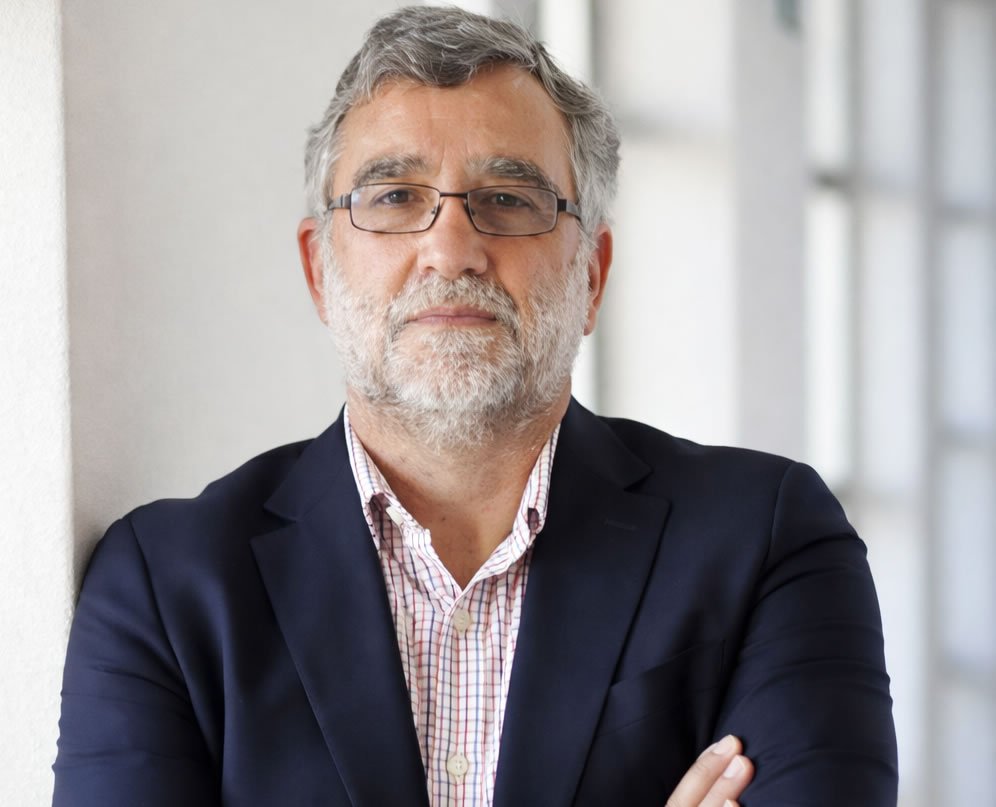
José Luis Widow is a Chilean philosopher whose intellectual work has been closely associated with the revival and development of classical philosophical traditions within contemporary academic contexts. He is a professor of Philosophy at the University of the Andes, where his teaching and research have contributed significantly to the formation of students and scholars interested in metaphysics, philosophical anthropology, and the history of philosophy.
Widow’s intellectual profile is characterized by a sustained engagement with classical philosophy, particularly the Aristotelian and Thomistic traditions. His work reflects a conviction that the fundamental questions of being, truth, and human nature remain central to philosophical inquiry and cannot be adequately addressed without serious dialogue with the great thinkers of the past. Rather than treating classical philosophy as a merely historical object, Widow approaches it as a living intellectual resource capable of illuminating contemporary philosophical and cultural problems.
A central feature of his thought is the defense of metaphysics as a foundational discipline. In a philosophical landscape often marked by skepticism toward metaphysical claims, Widow has consistently argued for the intelligibility of being and the rational accessibility of first principles. His reflections emphasize the importance of metaphysical realism, grounding philosophical knowledge in the reality of things rather than in purely linguistic or subjective constructions.
In addition to metaphysics, Widow has shown a strong interest in philosophical anthropology and ethics. His teaching frequently explores the nature of the human person, freedom, and moral responsibility, situating these themes within a broader ontological framework. This integrated approach reflects his belief in the unity of philosophical knowledge and his resistance to the fragmentation of philosophy into isolated subdisciplines.
As a professor, José Luis Widow is widely recognized for his demanding and rigorous pedagogical style, which encourages close reading of classical texts and disciplined argumentation. He places particular emphasis on intellectual formation, seeking not only to transmit knowledge but also to cultivate habits of philosophical reflection and judgment in his students.
Overall, José Luis Widow’s intellectual trajectory exemplifies a commitment to philosophical depth, historical continuity, and academic seriousness. His work stands as a testament to the enduring relevance of classical philosophy in addressing the perennial questions of human thought and existence.